Cybersecurity Buyer Journey Explained
If you’ve ever wondered why cybersecurity deals take so long — or why seemingly strong opportunities stall — the answer usually sits in how security is actually bought.
Because it’s not bought like software.
Most SaaS purchases begin with curiosity:
“We need something better.”
“This could improve efficiency.”
“Let’s try this.”
Cybersecurity buying starts somewhere very different.
It starts with discomfort.
A concern.
A doubt.
A question nobody in the business can confidently answer:
“Are we exposed?”
It Usually Starts Internally
Security purchases rarely begin with a vendor.
They begin with a moment.
Sometimes it’s an audit finding.
Sometimes a regulatory change.
Sometimes a board member asking:
“What would happen if we were breached?”
Other times it’s something quieter:
A near miss
An insurance renewal
An internal review
But the trigger is almost always risk — not interest.
Nobody wakes up wanting a new security tool.
They wake up wanting to avoid something going wrong.
Before Vendors Are Even Considered
Long before any demo is booked, organisations tend to go through an internal phase.
They’re trying to understand:
Is this a real problem?
Is it urgent?
Can we live with the risk?
Security teams might do their own assessments.
Risk teams may get involved.
Sometimes external advisors are brought in.
At this stage, the business isn’t shopping.
It’s thinking.
Then It Stops Being a Security Decision
Once action feels likely, the decision moves beyond IT.
Suddenly the conversation includes:
Risk
Compliance
Finance
Legal
Operations
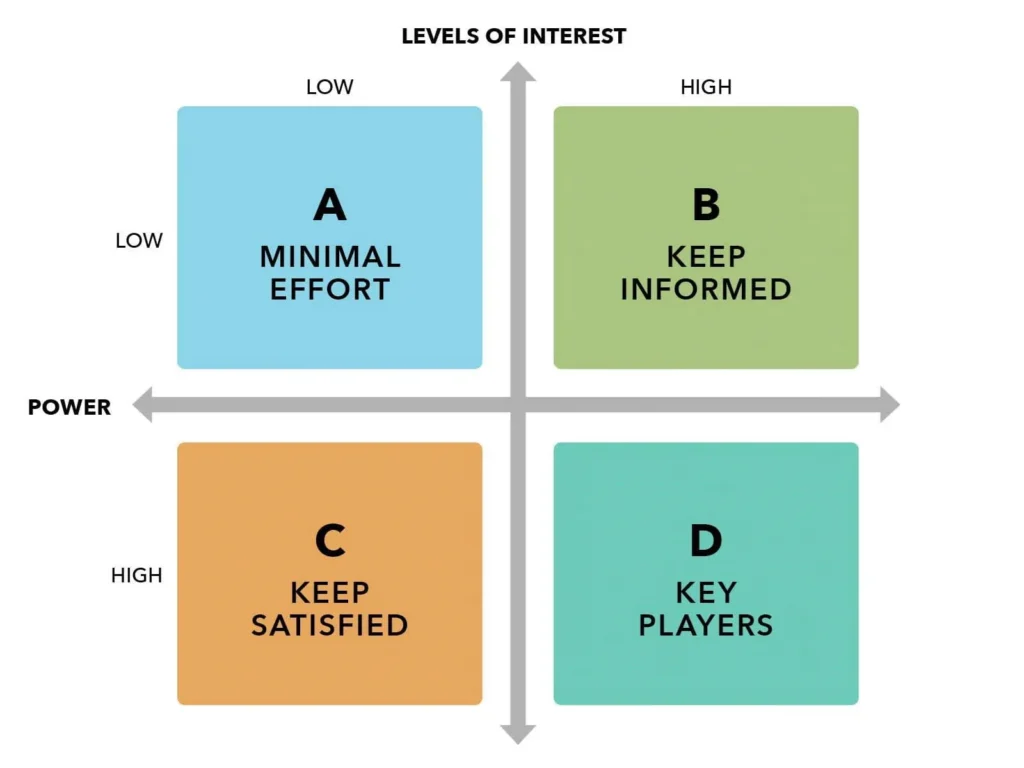
Security may have identified the issue — but they rarely own the final decision.
And each stakeholder sees the situation differently.
Security sees threat.
Finance sees cost.
Legal sees liability.
Leadership sees reputation.
Progress now depends on getting these perspectives aligned.
This Is Where Vendors Enter
Only after internal alignment begins do vendors come into the picture.
And even then, evaluation isn’t just about capability.
Buyers are asking:
Will this stand up to scrutiny?
Will it satisfy regulators?
Will it genuinely reduce exposure?
And perhaps most importantly:
Can we trust the people behind it?
In cybersecurity, reassurance matters more than innovation.
The Business Case Has to Be Built
Unlike many SaaS tools, cybersecurity often isn’t sitting inside an existing budget.
Someone has to justify:
Why this matters now
Why investment is necessary
What happens if nothing is done
That usually means translating technical risk into business language.
Not:
“We need better detection”
But:
“This reduces operational disruption risk”
Vendors who help buyers make that internal case tend to move forward faster.
Procurement Joins the Conversation
Eventually, governance steps in.
Procurement reviews the vendor.
Legal reviews the contract.
Security questionnaires appear.
The discussion shifts from:
“Is this valuable?”
to:
“Is this safe?”
This phase isn’t exciting — but it’s critical.
And it often slows everything down.
Final Approval Is About Confidence
By the time a decision reaches senior leadership or the board, the question isn’t:
“Is this technically strong?”
It’s:
“Is this the right choice for the organisation?”
At this point:
Trust
Credibility
Proof
Carry more weight than features.
Why This Matters
Cybersecurity buying is rarely fast because it isn’t just a product decision.
It’s a governance decision.
It touches:
Risk
Operations
Reputation
Accountability
Which means the journey isn’t linear — and shouldn’t be treated as one.
Companies that understand this tend to focus less on pushing deals forward…
…and more on helping buyers move through complexity.
Because in cybersecurity, decisions happen when confidence is built — not when interest is created.